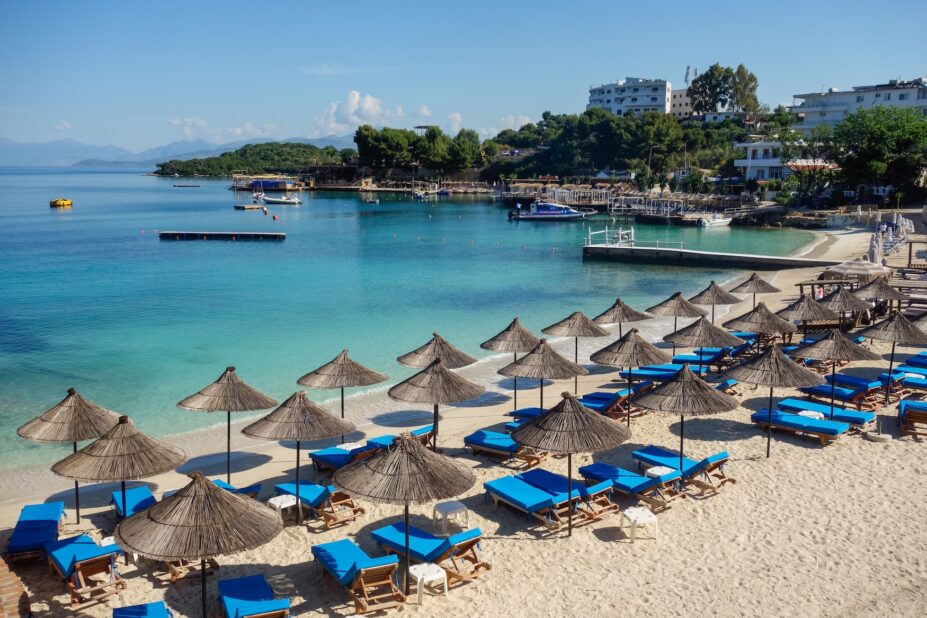
There is no single right time to visit Ksamil. There is only the time that matches what you want from the trip. Come in August and you get warm water, a buzzing town, every beach bar open, and crowds so thick you can barely see the sand. Come in late September and you get nearly the same warm sea with a fraction of the people. Come in winter and you get a quiet village with most of its shutters down.
This guide breaks the year down month by month so you can weigh the three things that actually shape a Ksamil trip: the weather, the crowds, and the prices. The short version is that the shoulder months, roughly late spring and early autumn, give most travelers the best balance of all three. Here is the full picture.
The quick answer
For the best balance of warm weather, swimmable sea, and breathing room on the beach, aim for June or September. The water is warm, the town is open and lively, and the crowds are far lighter than the July-to-August peak.
If you want the absolute liveliest atmosphere with every beach club running and the warmest sea, come in July or August, and accept the crowds and higher prices that come with it.
If you want quiet and lower prices and do not mind cooler, less predictable weather, the shoulder edges of May and October still work, though some businesses will be winding up or down.
Outside roughly April to October, Ksamil largely goes to sleep. The weather turns cool and wet, many places close, and the beach scene shuts down.
Ksamil’s climate in brief
Ksamil has a hot-summer Mediterranean climate: hot, dry summers and mild, wet winters. Summer daytime highs sit around 30 to 31 degrees Celsius in July and August, easing into the mid-20s in the shoulder months and dropping to the low teens in the depths of winter. The sea follows the air with a lag, warming from cool spring water into the mid-20s Celsius by August before slowly cooling again.
The other defining feature is rainfall. Summers are very dry, with July seeing barely any rain, while late autumn and winter are genuinely wet, with November the rainiest month by a wide margin. So summer gives you sun you can count on, and the off-season comes with real risk of grey, rainy days.
Month by month
April: early and quiet
Spring is arriving but the town has not woken up fully. Days are mild and pleasant for exploring places like Butrint, but the sea is still cold for swimming and evenings call for a jacket. You will have the beaches largely to yourself, though some beach businesses have not opened yet. A good month for sightseeing and quiet, less so for a classic beach holiday.
May: warming up, still calm
May is lovely and noticeably warmer, with comfortable days in the low-to-mid 20s. The crowds are still light, so you can walk onto the beaches and actually see the famous white sand. The catch is that the sea is still on the cool side for many people and the occasional rainy or overcast day is possible, especially early in the month. Not every beach club will be open or at full tilt, but the value and the calm are real.
June: the sweet spot begins
June is where many regulars say the magic starts. The weather is reliably warm, the sea has warmed up enough to swim comfortably, and the town is open and humming without the full peak-season crush. You get genuinely good beach weather with far more space than high summer. If you want one word for June, it is balance.
July: hot, dry, and busy
July brings the hottest, driest weather of the year and a warm, inviting sea. Everything is open, the beach clubs are in full swing, and the energy is high. It is also when the crowds and prices climb sharply. Expect packed beaches, sunbeds crammed together, and a real need to book accommodation well ahead. Wonderful if you want the lively version of Ksamil, demanding if you want space.
August: peak of everything
August is the absolute peak: the warmest sea of the year, the liveliest atmosphere, and the largest crowds. This is the month visitors most often describe as overwhelming, with beaches so full you struggle to find a patch of sand and prices at their highest. If you come in August, embrace the buzz, book everything in advance, and get to the beach early to claim a spot.
September: the other sweet spot
For a lot of experienced visitors, September is the best month of all. The summer heat eases to very comfortable levels, but the sea stays warm, often warmer than in June, because it has had all summer to heat up. The crowds thin out noticeably, especially later in the month, and prices begin to soften. Most places are still open. Warm water, calmer beaches, gentler prices: it is hard to beat.
October: winding down
Early October can still be delightful, with mild days, warm-enough water, and very few people. As the month goes on, the weather grows more unpredictable, rain becomes more likely, and businesses start closing for the season, with mid-October a common turning point. A great choice for a quiet, low-cost escape if you are flexible about the weather and do not mind some places being shut.
November through March: the off-season
This is Ksamil at rest. The weather is cool, windy, and wet, with November the wettest month of all. Most restaurants, beach clubs, and many hotels close, and boat trips to the islands stop. Winters are mild rather than freezing, so it can still be a peaceful time to wander Butrint or enjoy an empty coastline, but it is not a beach holiday in any meaningful sense.
How crowds and prices track the calendar
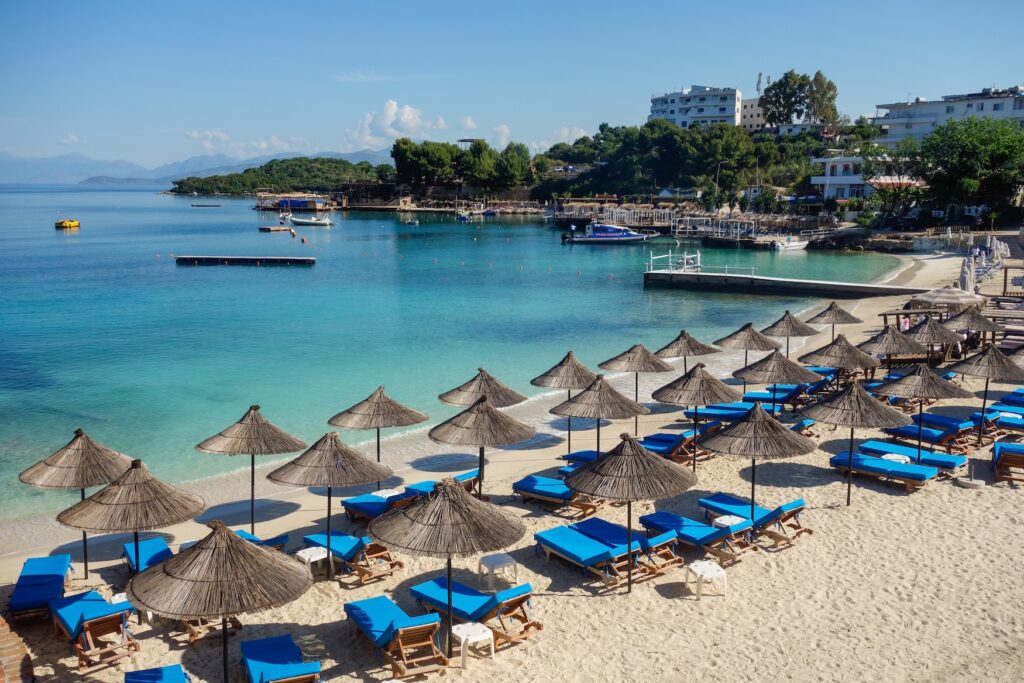
The pattern is simple and consistent. Crowds and prices are lowest in spring and late autumn, climb through June, spike hard in July, peak in August, and ease back through September into October. The cheapest beds and the quietest beaches sit at the shoulders of the season; the priciest and busiest land squarely in August.
This is worth thinking about beyond just comfort. Visiting in June or September rather than August can mean a calmer trip and a meaningfully lower bill for the same warm sea, which is a large part of why the shoulder seasons get recommended so often.
A note for travelers who want the shoulder-season advantage
Shoulder season rewards a particular kind of traveler: one who wants warm water and an open town without the peak-season prices and crush. It is also when staying somewhere self-contained pays off. With fewer tourists around, you get more space and a quieter pace, and a place with its own pool and kitchen means you are not dependent on which beach clubs and restaurants happen to be open that week.
Villa Papa suits this rhythm. With four bedrooms, a private pool, two kitchens, and a shaded lanai, it gives a family or group room to settle in and cook, swim, and relax on their own schedule, which is especially handy in the quieter months when the town is calmer. Booking directly for a shoulder-season stay is one way to make the most of the better value those months already offer. It is a five-minute walk from Ksamil Beach, so the warm September sea is right there whenever you want it.
Frequently asked questions
June and September offer the best balance of warm weather, swimmable sea, and lighter crowds. July and August are the warmest and liveliest but also the busiest and most expensive.
The sea is at its warmest in August, having heated up over the course of the summer. September stays warm too, often more comfortable for swimming than June.
Outside the July-to-August peak. Spring (April to May) and autumn (late September into October) are much quieter, with August by far the busiest month.
It can be peaceful for sightseeing at places like Butrint, but it is not a beach destination in winter. Many restaurants, beach clubs, and hotels close from around late October, the weather turns wet and cool, and island boat trips stop.
The shoulder months at the edges of the season, particularly May and October, tend to have the lowest accommodation prices, with June and September offering a strong balance of low-ish prices and good weather.
Summers are very dry, with July seeing almost no rain. The wet season runs through late autumn and winter, with November the rainiest month, so off-season trips carry a real chance of grey, rainy days.
Pick your month by what you value most: peak buzz and the warmest sea in August, or warm water with room to breathe in June and September. Whenever you go, build in a slow beach day or two; that is what Ksamil does best.
Thinking about a shoulder-season escape? Find your dates at Villa Papa.